Free Shipping on All Orders!

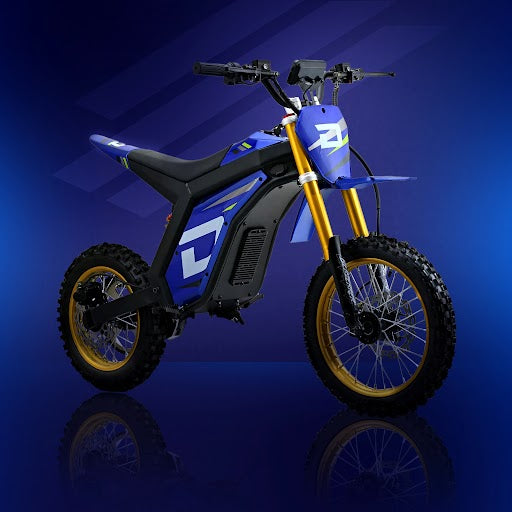


Electric Dirt Bike Laws Every Rider Should Know
Posted on
Quick Summary:
Electric dirt bikes are classified as off-highway vehicles under U.S. law, not e-bikes, and the rules around where kids can ride them vary significantly by state. No federal minimum age exists, but helmet laws for minors are nearly universal and require DOT-approved gear. Parents are legally and financially liable when their child rides in restricted areas or without proper equipment. OHV registration and safety course requirements apply to most public trail access in most states.
There's a lot of excitement that comes with getting your kid their first electric dirt bike. Here at Droyd, we see it all the time. Parents are stoked, kids are even more stoked, and then someone asks: "Wait, is this even legal to ride here?" Understanding electric dirt bike laws before you ride is one of the best things you can do for your family.
What Electric Dirt Bike Laws Say About Classification
The first thing to understand is that an electric dirt bike is not treated the same as an e-bike under U.S. law. Standard e-bikes are federally capped at 750 watts and 28 mph.
Most youth ATVs and electric dirt bikes operate well above those thresholds. This pushes them into a completely different legal category: off-highway vehicles (OHVs) or off-road motorcycles. The classification matters because it determines where you can ride, what gear is required, and whether you need registration.
Many parents assume "electric" means fewer rules, but that's not true. The fuel source doesn't change how the law sees a vehicle. Power output, top speed, and intended use are what determine how a state classifies it.
Where Kids Can Legally Ride
This is where things get state-specific, and there's no single answer that covers the whole country. Generally speaking, most states allow young riders to operate electric dirt bikes and youth ATVs in these settings:
- Private property with the landowner's permission
- Designated OHV parks and trails managed by the state or local authority
- Motocross tracks that allow youth riders during designated sessions
What's off the table in almost every state:
- Public roads and streets
- Sidewalks or bike lanes
- Undesignated public land
Before you head out to a trail or park, check the specific Motor Vehicle Use Map (MVUM) for the area. National Forests publish these maps, and they show exactly which routes allow motorized vehicles. Wilderness areas are always off-limits to motorized traffic, no exceptions.
In California, electric dirt bikes and youth ATVs automatically qualify for a Green Sticker. This sticker allows year-round access to OHV parks. It's one of the more rider-friendly policies in the country.
There Is No Federal Minimum Age
No federal law sets a minimum age for riding an electric dirt bike. Age limits are left to individual states and the land managers who oversee specific riding areas. As a general guideline, most states operate around these informal tiers:
- Under 8: Riding is typically limited to private property under direct adult supervision
- Ages 8 to 15: Youth and off-road models may be ridden in designated areas, usually with adult supervision required
- Ages 16 and up: Greater independence on designated trails, with some states requiring a license for higher-powered machines
Our Fury Youth ATV is rated for ages 6 and up, and our Droyd Next lineup is designed for young riders at the age of 13. Age ratings on our products reflect what's appropriate for the rider's physical development and skill level, and they align with general state guidelines. Parents should still verify the rules in their state and at the location where they plan to ride.
Helmet Laws: Non-Negotiable Across the Board
Helmet laws for minors are the one area where states reach near-universal agreement. Regardless of where your child rides, a DOT-approved helmet meeting FMVSS 218 standards is required.
Eye protection is also commonly required when there's no windscreen on the vehicle. Goggles are the standard solution, and they serve a real practical purpose on dirt and loose terrain.
A recent development worth noting: Utah passed H.B. 381 in 2025, which requires all riders under 21 to wear a helmet on public roads when operating any high-powered electric device. Several other states are looking at similar measures. Helmet requirements are expanding, not shrinking.
The Gear That Goes Beyond the Law
Legal requirements set the floor, not the ceiling. Helmets are mandatory, but a full kit goes a long way toward keeping a young rider safe. Here's what we recommend parents put together before the first ride:
- Goggles with UV protection and anti-fog lenses
- Gloves with reinforced knuckle protection
- Boots that cover the ankle and offer solid foot support
- Knee and elbow pads give the rider physical protection, so they feel more comfortable taking on new terrain
- Chest protector or body armor for trail riding
Gear should fit properly, as a helmet that's too large or pads that slide around aren't doing the job they're supposed to.
Parental Responsibility and Legal Liability
Parents carry real legal responsibility when their child is on a motorized vehicle. If a minor is caught operating a vehicle in a restricted area or without the proper gear, it's often the parent who receives the citation. Beyond that, standard homeowners' insurance policies frequently don't cover incidents involving motorized off-road vehicles. If your child causes an accident or injury while riding, you could be held financially liable.
Before any ride, it's worth reviewing your insurance coverage and understanding the rules of the specific location. It's a simple step that protects everyone involved.
OHV Registration and Safety Courses
Some states require an OHV sticker or registration even for youth electric vehicles on public trails. Check your state's OHV program page for specifics, as requirements vary significantly from state to state.
On the education side, most states require riders under 18 to complete a certified OHV or ATV safety course before riding on public lands. These courses cover throttle control, braking technique, trail awareness, and emergency response. They're genuinely useful, and kids who go through them ride with better habits from the start.
Knowing the rules isn't about putting a damper on the fun. It's how the fun stays fun. A kid who learns to ride within the right boundaries builds better skills and stays safer than one who never gets that foundation.
We designed our vehicles for riders who are ready to take it seriously, starting with safety. Reach out to our team if you want guidance on getting started.
The HTML editor online makes it easy to compose documents, preview changes, and clean the code.
FAQs
Can my child ride an electric dirt bike in a public park?
Most public parks prohibit motorized vehicles. Kids are generally limited to designated OHV parks, private property, and approved motocross tracks. Always check the specific rules for your local area before riding.
Do electric dirt bikes need to be registered?
Registration depends on your state and where you plan to ride. Many states require an OHV sticker or registration for public trail access, even for youth models. Private property riding typically requires no registration.
What happens if my child rides without a helmet?
Parents can face fines and citations if a minor rides without a DOT-approved helmet. Beyond the legal penalty, the physical risk is significant. Several states have recently expanded helmet laws to cover riders well into their twenties.

© 2026 Droyd | All Rights Reserved
Join Our Email List
Get exclusive deals and early access to new Droyd products.


