Free Shipping on All Orders!

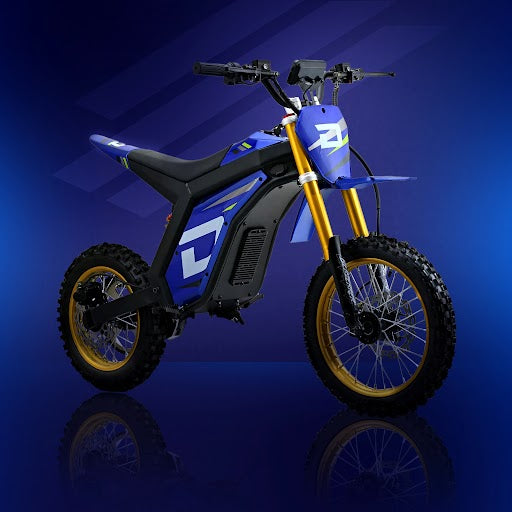


How To Choose The Best Electric Dirt Bike For Teens
Posted on
Quick Summary:
Electric dirt bikes suit teen riders well because the power delivery is predictable, the maintenance is minimal, and the learning curve is far more manageable than gas-powered alternatives. Motor power should match skill level, not ambition, and fit matters as much as specs. Hydraulic disc brakes, adjustable speed modes, and a reinforced steel frame are the features worth prioritizing. Gear is non-negotiable, and riding location rules vary by state, so checking local OHV regulations before the first ride saves a lot of hassle.
Shopping for an electric dirt bike is exciting, and a little overwhelming if you don't know where to start. There are many options out there, but not all are built with teen riders in mind.
At Droyd, we've spent over 20 years designing and manufacturing electric rideables for young riders. We know that the best choice isn't always the fastest or the flashiest one. The right electric dirt bike for a teen comes down to fit, power, safety, and long-term enjoyment.
What Makes Electric Dirt Bikes for Teens Different from the Rest
Before getting into the specifics of what to look for, it's worth understanding why electric makes sense for teen riders in the first place.
Gas-powered bikes require clutch operation, gear shifting, oil changes, spark plug replacements, and carburetor adjustments. On an electric bike, none of that applies.
Teens can focus entirely on the fundamentals: balance, throttle control, steering, and braking. The power delivery on an electric motor is consistent and predictable. It makes learning much less stressful for new riders and much less nerve-wracking for parents watching from the sidelines.
There's also the noise factor. Gas bikes can hit 85 to 115 decibels, which is loud enough to cause hearing damage and get you banned from most trails and neighborhoods. Electric models run quietly enough that many parks and residential areas that prohibit gas bikes welcome electric ones without issue. Running costs are significantly lower too, with gas bikes averaging $500 to $1,000 per year compared to roughly $100 to $300 for electric.
Motor Power: Match It to the Rider, Not the Ego
This is where many buyers go wrong. More wattage sounds better on paper, but a bike with more power than a teen can manage is a recipe for loss of control and lost confidence.
Here's a sensible way to think about it:
- Beginners (first-time riders): Look for 500W to 800W with reliable speed-limiting features. The goal at this stage is to learn to start, stop, steer, and balance.
- Intermediate riders: Once the fundamentals are solid, 1,000W to 1,500W offers greater capability without being excessive.
- Advanced teens: Experienced riders with genuine trail time behind them can step up to 2,000W or more, provided the bike still has adjustable modes.
Adjustable speed settings are one of the most underrated features on any teen electric bike. Start at the lowest setting and increase it only when the rider's technique is consistent, not as a reward or shortcut.
Fit and Sizing: The Numbers That Matter
A bike that doesn't fit the rider is unsafe regardless of its specs. Seat height is the first thing to check. A teen should be able to touch the ground flat-footed when stopped, which gives them stability and control during low-speed maneuvers. A seat height between 28 and 32 inches covers most teen riders well, though this varies depending on height and build.
Weight capacity matters too. Look for a bike rated comfortably above your teen's current weight, both for safety and because teens grow. A higher weight capacity (around 165 lbs or more) extends the bike's useful life without performance issues creeping in.
Ground clearance is often overlooked but makes a real difference on uneven terrain. For trail riding, at least 8 inches of clearance keeps the bike's underside from taking a beating on rocks and roots.
Frame, Suspension, and Brakes
Off-road riding puts a lot of stress on a bike. A reinforced steel frame is the baseline for any electric dirt bike for teens that will be used regularly on rough terrain. Lightweight builds are appealing, but durability should take priority, especially for teen riders who are still learning and will put the bike through its paces.
Suspension quality directly affects a rider's control. Good front fork suspension absorbs bumps before they transfer to the rider's arms and upper body, reducing fatigue and keeping steering precise. Rear suspension adds another layer of stability on choppier terrain.
Brakes are the single most important safety feature on any off-road bike. Hydraulic disc brakes are the standard to look for; they deliver consistent stopping power in mud, dirt, sand, and wet conditions. Mechanical brakes are cheaper but lose effectiveness quickly when things get messy.
Safety Gear: Not Optional, Not Negotiable
The right equipment makes a big difference in the outcome of a fall. Before any teen gets on a bike for the first time, the following should already be on:
- Helmet: A full-face, DOT or CPSC-certified helmet is the baseline. Open-face helmets don't protect the chin or jaw in a forward fall.
- Goggles: Debris, dust, and branches are all part of off-road riding. Anti-fog coating is worth the extra cost.
- Gloves: Protect hands in a fall and improve grip during longer rides.
- Boots: Over-the-ankle boots with a solid grip protect the feet and ankles, which take a lot of abuse during early riding sessions.
- Knee and elbow pads: Hard outer shells provide the most protection during beginner falls, which tend to occur at the joints.
- Chest and back protector: Especially important for teens riding at higher speeds or on technical terrain.
Ready to Ride? Start Here
Choosing an electric dirt bike for a teen isn't about finding the most powerful model or the one with the longest spec sheet. It comes down to fit, appropriate power, reliable brakes, and a setup that lets the rider build skill without getting in over their head. A well-chosen bike keeps teens coming back for more; a poorly matched one gathers dust.
We know this space well, and we're here to help you make a decision you and your teen will feel good about for a long time. Have questions about which Droyd model fits your rider? Get in touch with our team, and we'll point you in the right direction.
FAQs
How long does an electric dirt bike battery last per charge?
Most teen-oriented electric dirt bikes deliver one to two hours of ride time per charge, depending on terrain, rider weight, and speed. Rougher ground and heavier riders will draw the battery down faster than flat, open riding conditions.
Can teens ride electric dirt bikes in public parks?
It depends on the state and the specific park. Electric dirt bikes are generally classified as OHVs and are restricted to private property or designated OHV areas. Some parks that prohibit gas bikes do permit electric ones, so checking local rules beforehand is the safest approach.
What seat height works best for a teen rider?
A seat height between 28 and 32 inches works well for most teens. The key is being able to touch the ground flat-footed when stopped, which gives the rider stability and control during slow-speed moments and stops.

© 2026 Droyd | All Rights Reserved
Join Our Email List
Get exclusive deals and early access to new Droyd products.


