FAQ

What safety features does the Zypster include?

+

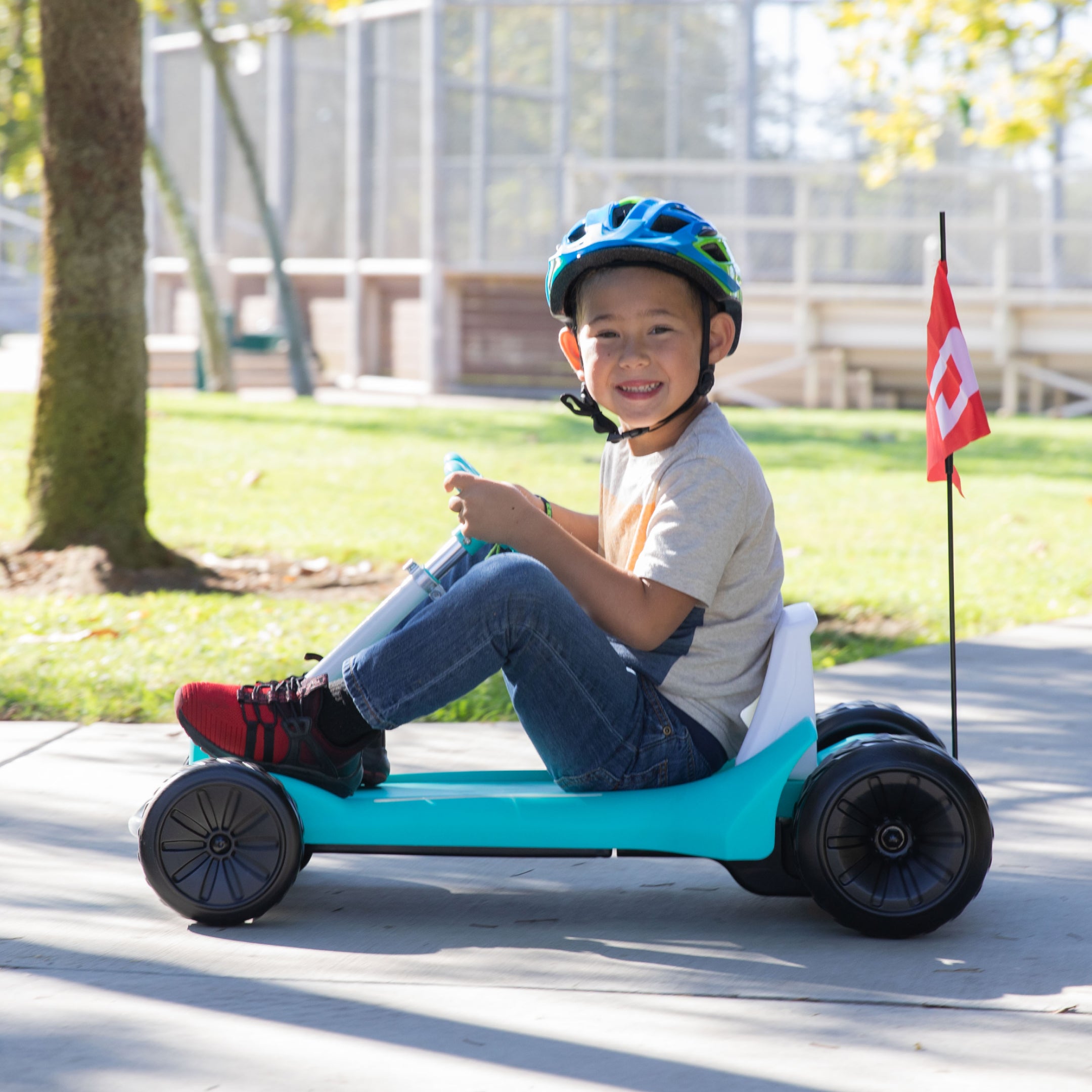
The Droyd Zypster is built with safety at its core. A low center of gravity reduces the risk of tipping during turns and stops, while smooth, gradual acceleration prevents sudden power surges that can catch beginners off guard. The braking system delivers predictable, controlled stopping power that helps young riders develop good habits early. The frame and seating position support proper posture and balance throughout the ride. Combined with protective gear and adult supervision, these built-in features give both riders and parents genuine confidence.

Does the Zypster have forward and reverse?

+

Yes. The Zypster includes both forward and reverse functionality, making it easy for young riders to maneuver in tight spaces like driveways or narrow paths without needing to dismount. Forward motion is smooth and intuitive, while reverse operates at a controlled, safe pace. Having both directions available helps children develop spatial awareness and coordination naturally. It is a practical feature that adds meaningful versatility to the riding experience, especially for beginners still learning how to navigate their surroundings confidently.

What adjustments can be made as my child grows?

+

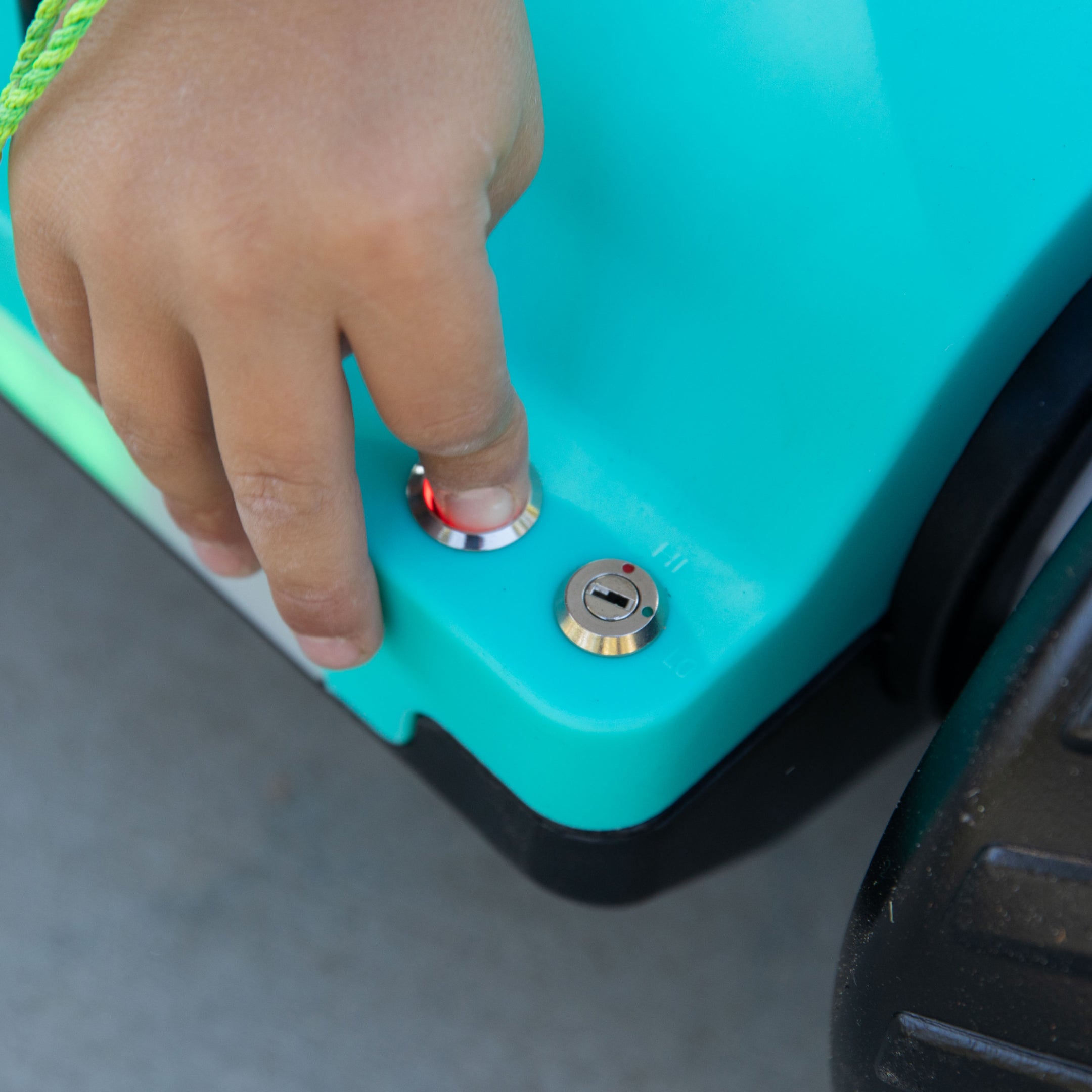
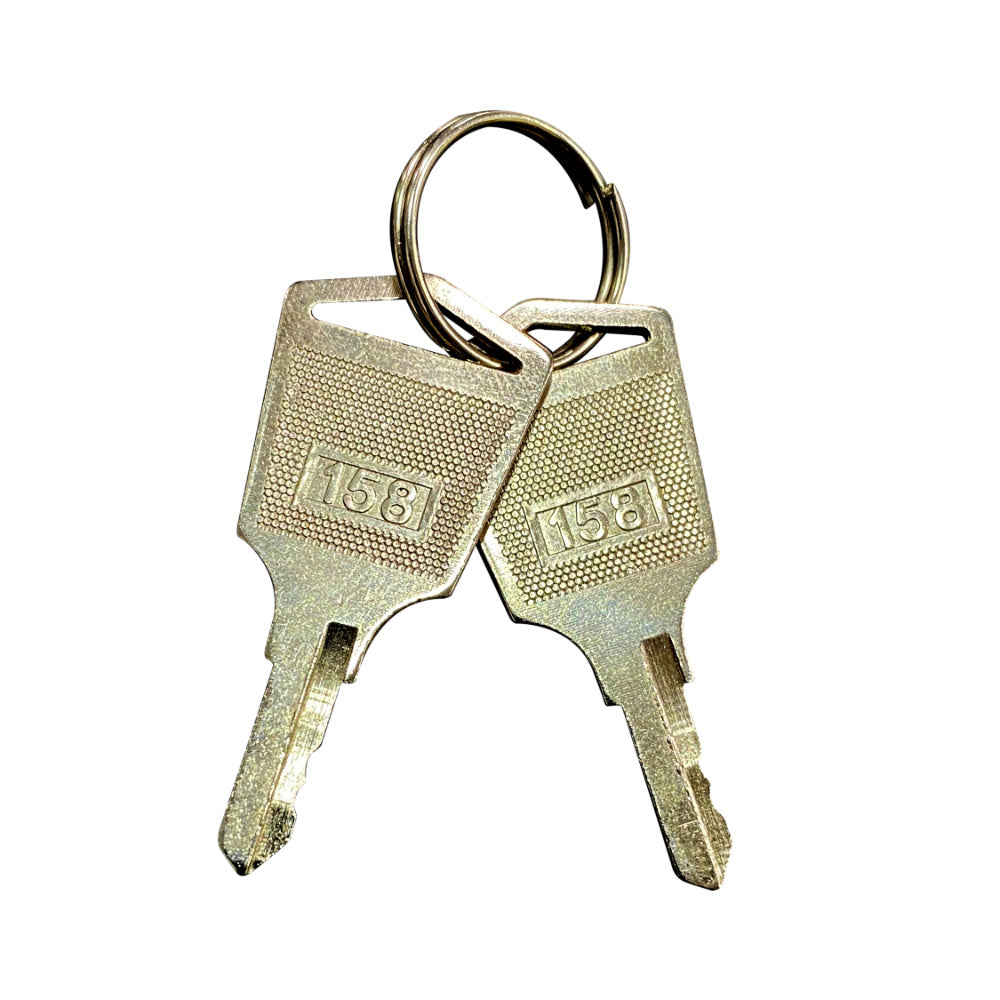
The Droyd Zypster is designed to grow alongside your child. The adjustable seat back offers three positions, the steering column height has three settings, and the steering wheel angle can be set to two positions, allowing the go-kart to be reconfigured as your child gets bigger. The two-speed parental key system also supports skill progression, starting at 3 mph and unlocking up to 6 mph as confidence develops.

Is adult supervision required?

+

Yes, Droyd strongly recommends adult supervision whenever the Zypster is in use. Young riders are still developing awareness and decision-making skills, and having an adult present allows for immediate response to unexpected situations. Supervision also helps children learn correct control use and reinforces safe riding behavior, which is especially important during early sessions. Beyond safety, children gain confidence more effectively when they feel supported.

What surfaces is the Zypster best suited for?

+

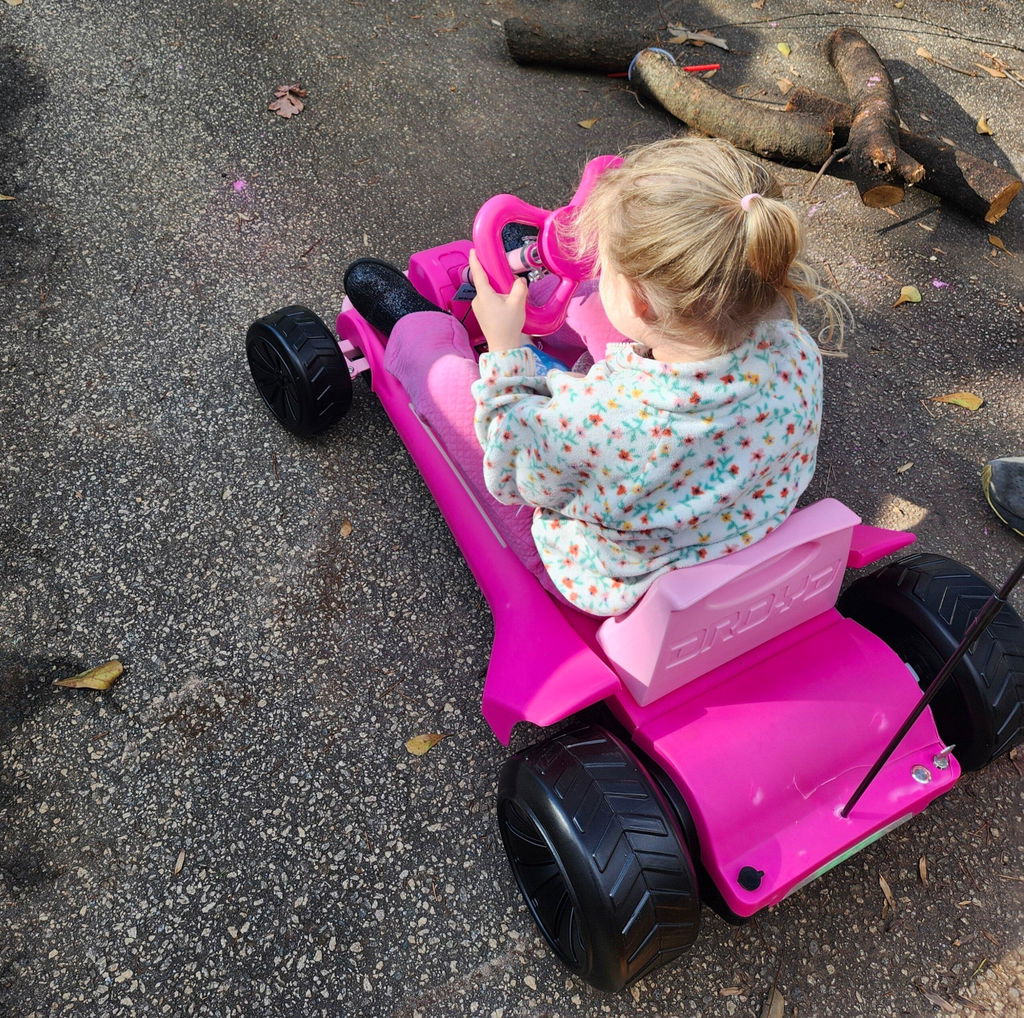
The Zypster performs best on smooth, stable surfaces such as paved driveways, sidewalks, and patios. These environments allow the vehicle to operate efficiently and provide a predictable riding experience ideal for learning. It can handle short grass and compact earth, but rough or loose terrain reduces traction and makes handling less predictable. Sticking to controlled surfaces helps children focus on developing steering, braking, and acceleration skills without unnecessary distractions.

Is the Zypster easy to assemble?

+

Yes. The Droyd Zypster arrives mostly pre-assembled, with only a few simple steps remaining, such as attaching handlebars, seat elements, or securing fasteners. Clear instructions guide you through each stage in a logical sequence, and only basic tools are needed. Most families complete the setup in a short time without prior experience. The process is designed to be low-stress and intuitive so you can move quickly from unboxing to a safe first ride without frustration or confusion.

How does the Zypster compare to other kids electric go‑karts?

+

The Zypster stands out in its category through thoughtful safety engineering and genuine adjustability. Dual 50W brushed DC motors deliver smooth, consistent power, and the two-speed parental key system allows speed to be set at 3 mph or 6 mph. Three seat positions, three steering column heights, and two steering wheel angles mean the go-kart grows with your child, something most fixed-frame competitors cannot offer. Smooth-launch control and an electromechanical brake that engages when the pedal is released are safety details that many go-karts at this price point simply leave out.

Is the Zypster worth the purchase as a first electric ride‑on?

+

Absolutely. The Droyd Zypster is purpose-built for early learners, prioritizing control, stability, and gradual skill progression over high speed or complex features. Smooth acceleration, predictable handling, and a low center of gravity create a safe and approachable first riding experience. The adjustable seating, steering column, and two-speed parental key system mean the Zypster stays relevant as your child grows, making it a practical long-term investment rather than something they outgrow quickly.

What safety gear should kids wear with the Zypster?

+

A properly fitted helmet is the most essential piece of gear for any Zypster ride. Knee pads and elbow pads cushion against impacts and reduce scrapes, while gloves improve handlebar grip and protect hands. Closed-toe shoes with good grip support better pedal control and overall stability. Long sleeves and trousers provide additional coverage on rougher surfaces. Establishing these habits early helps children develop a sense of responsibility alongside riding skills and gives parents greater confidence throughout the learning process.

What should I do if my Zypster won’t start or charge?

+

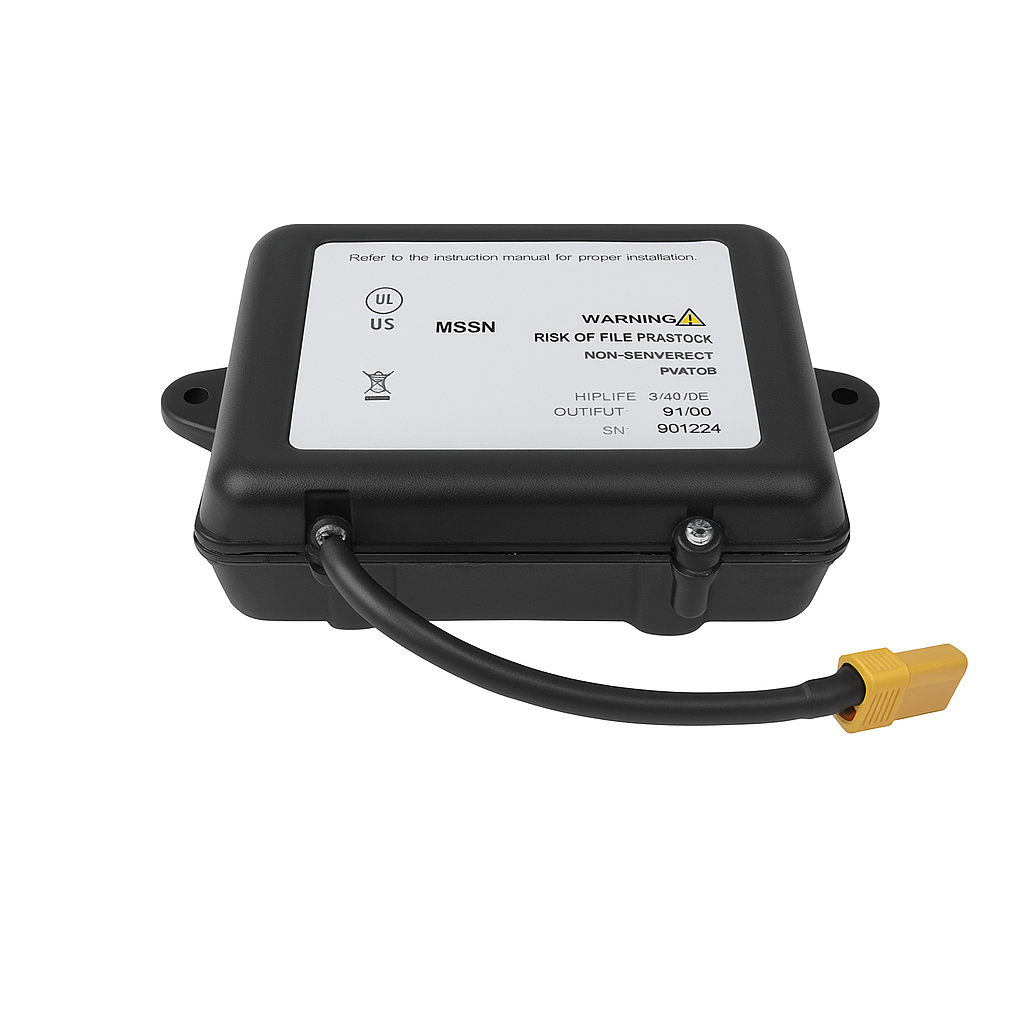
Start with the basics. Confirm the battery is properly connected and fully inserted, the charger is securely plugged into both the unit and the wall, and the outlet is functioning. Try a different socket to rule out external power issues. If the battery has been fully drained, allow extra time before it begins responding to a charge. Check visible wiring and connectors for any signs of damage or disconnection. If the unit still does not respond after these checks, contact Droyd’s support team for further troubleshooting and assistance.

How do I care for the Zypster’s battery?

+

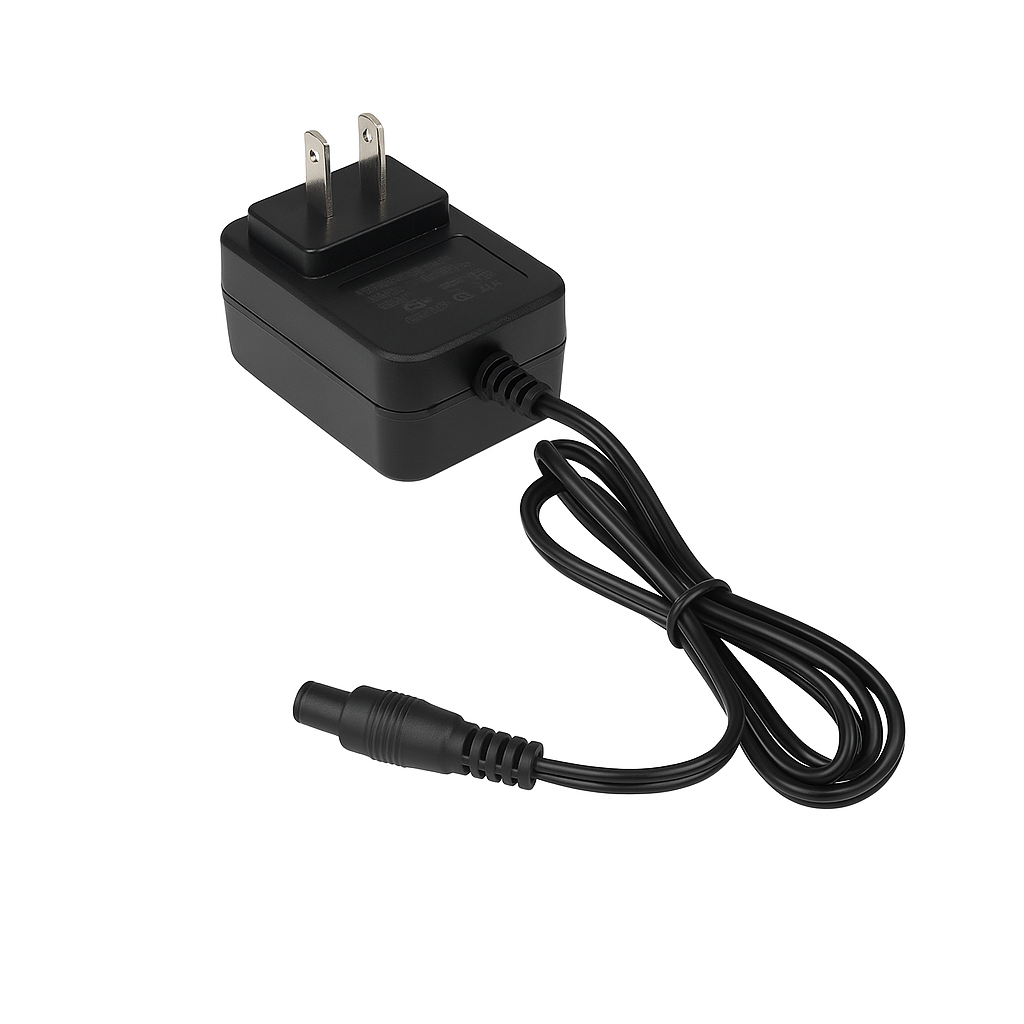
Always use the supplied charger, which is specifically matched to the Zypster’s battery system. Charge in a cool, dry environment and disconnect once fully charged to prevent unnecessary strain. Avoid regularly running the battery all the way to zero, as partial charging cycles support better long-term battery health. During extended storage, keep the battery in a stable environment and top it up periodically to maintain optimal condition. Regular checks of connectors and charging equipment help catch issues early.