Free Shipping on All Orders!



Electric Bike Vs. Car: What’s The Smarter Choice In 2026?
Posted on
The conversation around how we get from A to B has changed a lot in recent years. Fuel prices have climbed, traffic in cities has gotten worse, and electric bikes have gone from novelty to capable machines. More people are asking whether the electric bike vs. car debate has a clear winner in 2026.
The honest answer is that it depends on who you are and how you live. At Droyd, we have spent over 20 years building electric rideables, so we understand electric mobility from the ground up. We are here to help you think through the decision clearly.
Electric Bike Vs. Car: Where Each One Fits
Before getting into costs and comparisons, it helps to understand what each vehicle is genuinely good at.
An electric bike is purpose-built for shorter distances and urban environments. It handles city streets well, slips into bike lanes, and can be parked practically anywhere. Running errands, commuting to school or work, or getting around a neighborhood are all situations where an e-bike performs well.
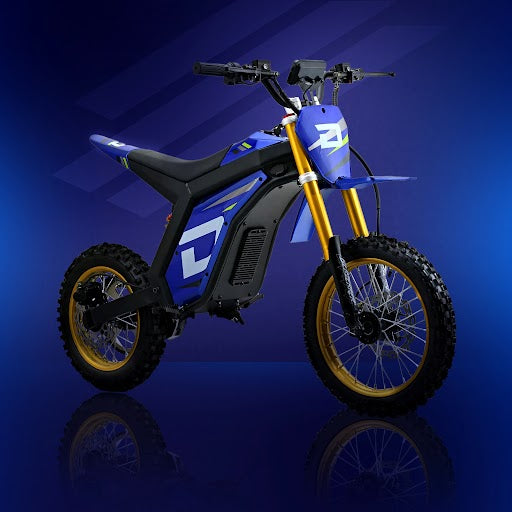
Our Blipper (built for riders 13 and up) delivers up to 12 miles of range per charge and cruises at 12 MPH. It’s a practical everyday option for teens and young adults navigating familiar routes.
On the other hand, a car can cover long distances without range concerns, handle any weather, carry multiple passengers, and haul significant cargo. It is the obvious choice for road trips, rural commutes, or any situation involving kids, heavy loads, or poor riding conditions.
The two vehicles are not really competing for the same jobs. The problem is that most people default to the car even when the e-bike would serve them just as well, or better.
The Cost Gap Is Bigger Than Most People Realize
This is where the e-bike case becomes hard to ignore. A quality e-bike typically costs between $1,000 and $3,000. A new car generally starts around $20,000 and goes up significantly from there. Used cars can bring that number down, but the ongoing costs tell a different story.
Consider what comes with car ownership:
- Fuel: Even with fluctuating prices, regular driving adds up to hundreds of dollars a month.
- Insurance: Car insurance is a significant annual expense that persists.
- Maintenance: An electric car costs an average of $1,000 per year in maintenance. A traditional gas vehicle costs more. An e-bike, by comparison, typically runs $100 to $300 per year in routine upkeep.
- Depreciation: A new car can lose 20-30% of its value in the first year. Over five years, the gap between what you paid and what it is worth can be significant.
- Parking: In urban areas, parking fees accumulate quickly over a month or year.
An e-bike's charging cost is negligible. A full charge costs cents. There is no insurance requirement in most cases, no registration fees, and maintenance is straightforward. Riders who swap even a portion of their car trips for e-bike trips see the savings add up fast.
What the Environment Looks Like from Each Seat
Most people know that e-bikes are cleaner than cars, but the difference is more significant than people expect. The carbon footprint of an electric bicycle across its entire lifecycle averages around 13 grams of CO₂ per kilometer. An electric city car produces around 60-75 grams per kilometer, while a gas-powered vehicle produces considerably more.
Beyond personal emissions, there is a broader picture worth considering. A single car parking space can fit up to 10 e-bikes. More e-bikes on city roads mean fewer cars, easing congestion and freeing up space that cities can put to better use. The Weeler and other compact electric rideables in our lineup take up a fraction of the space a car requires, and they leave a fraction of the footprint, too.
Choosing an e-bike for daily short-distance trips is one of the more tangible ways an individual can reduce their environmental impact without dramatically changing their lifestyle.
Where the Car Clearly Still Wins
A fair comparison means being honest about where e-bikes fall short, and there are real situations where a car is simply the better tool.
Long distances are the most obvious ones. Most e-bikes have a practical range that suits urban and suburban riding. Once you are looking at highway travel or cross-country routes, a car remains the only sensible option. E-bikes are also not permitted on highways, which rules them out for certain commutes entirely.
The weather is another honest limitation. Riding in heavy rain, snow, or extreme cold is unpleasant at best and unsafe at worst. Cars provide shelter and climate control that an e-bike never will. Riders in regions with harsh winters may find that an e-bike works well for part of the year and becomes impractical for the rest.
Cargo and passengers are also clear car territory. An e-bike handles light everyday cargo reasonably well. Grocery runs, a bag, or a backpack are manageable. Loading up for a weekend away, transporting multiple children, or moving anything bulky requires a car.
Rural areas present their own challenge. Limited bike infrastructure, longer distances between destinations, and terrain that may not suit an e-bike all point back to the car as the more practical daily vehicle in those settings.
Using an E-Bike and a Car Together
The smarter question may not be e-bike or car, but rather how to use each one well. Many households are finding that an e-bike handles most daily trips, and the car is reserved for situations that call for it. Short commutes, errands, school runs, and recreational rides shift to the e-bike. Road trips, bad weather days, and heavy-load situations stay with the car.
Families with teens have a particular opportunity here. An e-bike gives a young rider real independence for shorter trips without needing a car ride organized around them. The Blipper is designed exactly for this kind of everyday freedom for riders aged 13 and up.
Using both vehicles intentionally means getting the benefits of each without feeling like you have to replace one entirely. The e-bike covers the routine, and the car covers the exceptions.
Matching Your Transportation to Your Life
There is no universal verdict in the electric bike vs. car conversation. The smarter choice depends entirely on where you live, how far you travel, what you need to carry, and how often you ride.
If you live in a city or suburb, commute short distances, and primarily travel alone, an e-bike can cover a lot of ground and cost far less to operate. If you live rurally, commute long distances, or regularly need to carry passengers and cargo, a car remains essential.
What has changed in 2026 is the quality and range of electric rideables available. The gap between e-bikes and cars in terms of ride quality, range, and reliability has narrowed considerably. An e-bike is no longer a compromise for people who cannot afford a car. It is a deliberate choice for people who want a more efficient, lower-cost way to handle their daily movement.
The best version of this decision usually involves being honest about which trips actually require a car, and which ones do not.
Find the Ride that Fits Your Life
We build our electric rideables for riders of all ages because we believe electric mobility should be accessible, safe, and enjoyable.
Got questions about which Droyd rideable makes sense for you or your family? Our team is here to help and ready to talk it through with you Monday through Friday.

© 2026 Droyd | All Rights Reserved
Join Our Email List
Get exclusive deals and early access to new Droyd products.


