Free Shipping on All Orders!

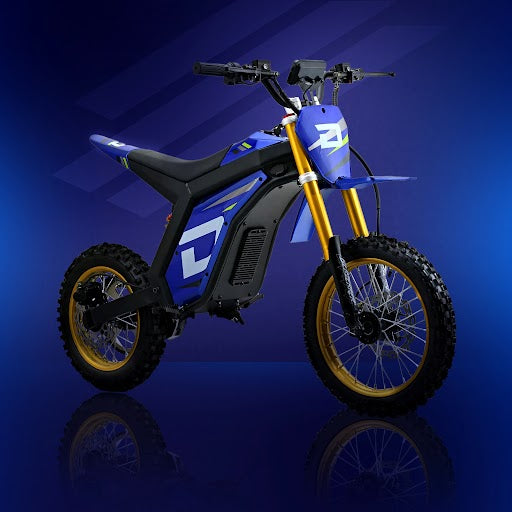


Do Electric Dirt Bike Riders Need A License?
Posted on
Quick Summary:
Licensing rules for electric dirt bikes in the US come down to two things: where you ride and how powerful the bike is. Off-road and private property riding generally requires no license, regardless of the rider's age. Public road use is a different story, often triggering motorcycle classification, registration requirements, and a valid license in some states. For most families with younger riders, the places kids typically ride fall well within the no-license-required category.
The question comes up every time a parent starts researching kids' electric rideables: Do you need a license for an electric dirt bike? It's a fair question, and here at Droyd, we get asked it more than almost anything else.
The answer has a few moving parts, but once you understand the basic framework, it all makes sense pretty quickly. Location, power output, and the rider's age all play a role, and we'll walk you through each one.
Do You Need a License for an Electric Dirt Bike?
Licensing rules in the US aren't uniform. They vary by state, and in some cases, by county or municipality. The two biggest factors are where the bike is being ridden and how powerful it is.
Off-road and private property riding is a completely different legal world from public road riding. In most situations, kids and adults riding on private land, backyard tracks, or designated off-highway vehicle (OHV) trails don't need a license. These areas operate outside standard traffic laws, so typical motor vehicle regulations don't apply.
The situation changes when a bike hits a public road. Once a vehicle is operated on public streets, many states reclassify it as a motor vehicle, triggering licensing, registration, and sometimes insurance requirements. Higher-powered bikes get classified closer to motorcycles, which means the full range of motorcycle licensing rules can apply.
For reference, many states use power and speed thresholds to draw the line:
- Under 20 mph / low wattage: Often treated similarly to a bicycle, no license required in many areas
- 20–30 mph range: May fall into moped or light motorcycle territory depending on the state
- Over 30 mph / high wattage: Typically classified as a motorcycle, requiring a valid license and registration
State laws differ, so it's always worth checking with your local DMV before riding anywhere outside private property.
Where You Ride Makes All the Difference
Think of it less as a question about the bike and more as a question about the location. A powerful electric dirt bike ridden on a private motocross track sits in an entirely different legal category from that same bike ridden down a public street.
Here's a quick look at the most common riding environments:
- Private property: No license required in the vast majority of states. Kids can ride freely under parental supervision.
- Dedicated OHV trails and parks: Usually no license required, though some states ask for OHV registration or a trail sticker. For example, California uses a Green Sticker or Red Sticker program for off-road vehicles.
- Public roads: This is where licensing requirements kick in. The bike often needs to be registered and street-legal (lights, mirrors, horn, turn signals), and the rider may need a valid motorcycle license or endorsement.
The good news is that the places kids are most likely to ride include backyards, private land, and dedicated off-road facilities. These areas are generally the most permissive when it comes to licensing for families with younger riders.
What About Registration?
The question of whether electric dirt bikes need to be registered follows a similar logic. Off-road use on private property typically requires no registration. Riding on public roads almost always does.
Some states also require OHV registration for trail use, separate from standard vehicle registration. This is worth checking at a state level, since requirements vary meaningfully. A bike ridden exclusively on private land in Texas is subject to a very different set of rules than one taken onto California's public OHV network.
Safety Gear Matters Everywhere
Licensing aside, protective gear is non-negotiable wherever you ride. Helmets, gloves, and pads give riders the physical protection that makes the experience safer at any age. Kids who wear the right gear from day one develop good habits that stick with them as they grow into more advanced riding. At Droyd, our lineup through Droyd Next is designed for younger riders.
Ride Smart, Ride Informed
Off-road and private riding is generally open for kids and families without any special permits. However, public road riding brings a different set of requirements into play. Contact us if you have questions about our products or want to talk through what's right for your child's age and riding level.
FAQs
Do kids need a license to ride an electric dirt bike on private property?
No. In the vast majority of US states, kids can ride on private land without any license or registration. Parental supervision and proper safety gear are still strongly recommended.
Can an electric dirt bike be made street legal?
Some can, but it requires significant modifications. DOT-approved lights, mirrors, turn signals, a horn, road-legal tires, and a registered VIN are typically needed before a bike can legally operate on public roads.
Are electric dirt bikes the same as e-bikes under US law?
No. Electric dirt bikes generally exceed the power and speed thresholds that define e-bikes federally. This places them in a separate category, often closer to motorcycles, which carry different registration and licensing implications.

© 2026 Droyd | All Rights Reserved
Join Our Email List
Get exclusive deals and early access to new Droyd products.


