Free Shipping on All Orders!

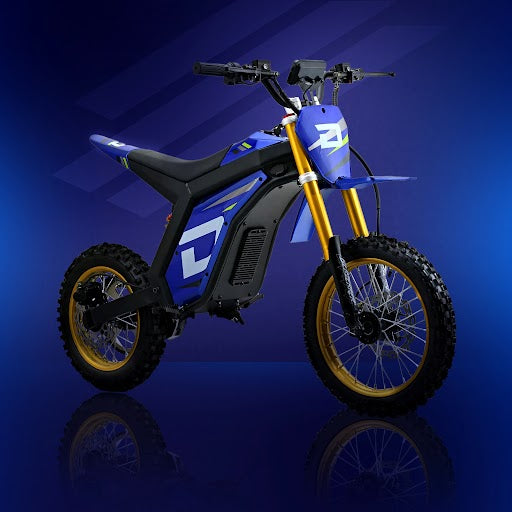


Are Electric Dirt Bikes Legal To Ride On The Road?
Posted on
Quick Summary:
Electric dirt bikes are not street legal by default in the U.S. They exceed federal e-bike power limits, lack required road safety equipment, and must be registered as motorcycles to ride on public roads. State laws vary widely, with some states far stricter than others. Converting a bike to street-legal standards is costly and often impractical. The safest and most legally sound option for young riders is to stick to private property, OHV parks, and designated off-road areas.
Picture this: a great session on the trails wraps up, the parking lot is just a few blocks away, and the temptation to ride there is real. It happens all the time, and it's the kind of moment where knowing the law matters.
Road legality for electric dirt bikes is more complicated than most people expect, and the rules catch plenty of riders off guard. At Droyd, we get these questions from parents regularly, and the answer is almost never a simple yes. Can you ride electric dirt bikes on the road legally in the U.S.? Here's what you need to know.
Can Electric Dirt Bikes Go on the Road Legally?
In most U.S. states, electric dirt bikes are classified as off-road vehicles by default. They aren't treated the same way as e-bikes under federal law, and that distinction matters more than most people realize.
Federal law caps electric bicycles at 750 watts and 28 mph. High-performance electric dirt bikes blow past those numbers by a wide margin, pushing them into motorcycle or motor-driven cycle territory, depending on the state. Once a bike lands in that category, it requires registration, insurance, and a motorcycle license in many cases.
Road-legal vehicles need headlights, brake lights, turn signals, mirrors, a horn, a speedometer, and road-appropriate tires. Most off-road electric bikes ship without any of those features because they're designed for trails, not traffic. No VIN number is another common problem. Without one, you can't register the vehicle at the DMV in the first place.
So when people ask whether you can ride an electric dirt bike on the road, the honest answer is not without significant modifications and proper registration. Even then, it depends heavily on your state.
What the Law Looks Like State by State
There's no single national rule that covers every rider in every state. Laws vary widely, and what's acceptable in one place can get your bike impounded in another.
Here's a general snapshot of how different states approach it:
- California treats most electric dirt bikes as off-road only and has some of the strictest enforcement in the country.
- Texas and Arizona tend to be more flexible, allowing some models to be registered as mopeds if they meet specific requirements.
- New York generally prohibits high-powered models from public roads altogether.
Even within states, local municipalities can add their own layer of rules. A county or city can restrict electric off-road vehicles from public streets regardless of what state law says. The safest move is always to check directly with your local DMV before assuming anything.
The Real Cost of Riding Illegally
Riding an unregistered, non-compliant electric dirt bike on a public road isn't a gray area in most places. It's a violation, and the consequences can be serious.
Fines can run anywhere from $100 to over $1,000. In states like California, towing fees are added to the citation. New York is known for aggressive impoundment. Beyond the fines, if an accident happens on an illegal setup, personal insurance typically won't cover it, leaving the rider fully liable.
The stakes are even higher for parents letting younger kids ride. A child on an off-road vehicle on a public street puts everyone in a difficult position, legally and physically.
Where Kids Should Actually Be Riding
Rather than trying to make an off-road vehicle work on the street, the better question is: where are the best places to ride legally and safely?
Here's where most youth electric rideables thrive:
- Private property, like large backyards, farms, or rural land
- Designated OHV (Off-Highway Vehicle) parks that welcome electric bikes
- Motocross tracks with open recreational sessions
- Private driveways and cul-de-sacs with owner permission and clear sightlines
These environments are where young riders build real skills without the hazards of road traffic. Loose terrain, open space, and controlled speeds make for a much better learning experience than pavement ever could.
We designed our youth rideables with environments like these in mind. Products like the Berzerker electric dirt bike are built for riding that makes sense for teens, safe, age-appropriate, and fun in the spaces they're meant for.
What "Street Legal" Would Actually Require
For anyone curious about what a full conversion looks like, here's what making an electric dirt bike road-compliant typically involves:
- DOT-approved headlights, brake lights, and turn signals
- Side mirrors on both sides
- A working horn
- A speedometer
- Road-legal tires with appropriate tread
- A VIN number for DMV registration
- Proof of insurance
- Motorcycle license or endorsement, depending on the state
Even after all that, some states still won't allow certain bikes on the road based solely on power output. Bikes exceeding certain wattage thresholds are classified as motor vehicles regardless of any equipment added. It's a significant investment of time and money for a result that isn't guaranteed to work everywhere.
For most families, the conversion route simply isn't worth pursuing. A dedicated off-road setup, ridden in the right environment, is the cleaner and safer path.
Keeping Kids Safe Starts with Knowing the Rules
Understanding where electric dirt bikes do and don't belong is part of being a responsible rider and a responsible parent. Road legality involves keeping kids out of situations that their equipment and their experience level aren't prepared for.
Off-road rideables are at their best on terrain for which they were designed. Trails, open spaces, OHV parks, and private land offer the freedom and challenge that make youth riding so exciting in the first place. Keeping rides off public roads is what makes the experience last longer and stay safer.
Have questions about what our youth rideables are designed for, which environments they perform best in, or how to ride responsibly? We're happy to help. Reach out to our team, and we'll point you in the right direction.
FAQs
Can a kid ride an electric dirt bike on a public sidewalk?
Sidewalks fall under local jurisdiction, and most municipalities prohibit motorized vehicles on them. Even low-powered youth rideables are typically restricted to private property or designated riding areas, not public walkways.
Do electric dirt bikes need insurance?
Once a bike is registered for road use, insurance is required in most states. Off-road-only bikes ridden on private land generally don't require it, though some OHV parks may ask for proof of liability coverage.
Is a helmet required when riding an electric dirt bike off-road?
Helmet laws for off-road riding vary by state and location. Regardless of local law, wearing a DOT-approved helmet is one of the most important safety decisions a rider or parent can make before any session.

© 2026 Droyd | All Rights Reserved
Join Our Email List
Get exclusive deals and early access to new Droyd products.


