Free Shipping on All Orders!

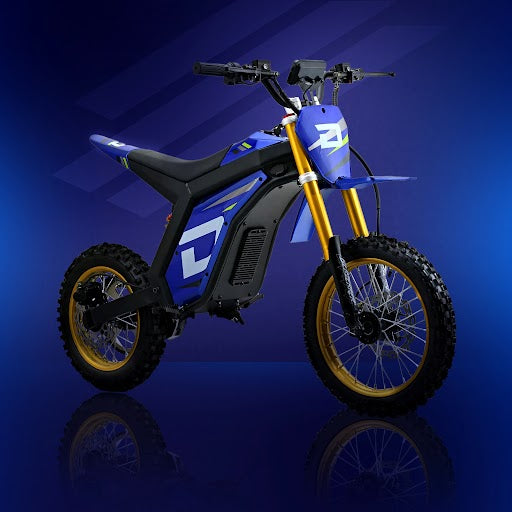


When To Replace Electric Dirt Bike Tire
Posted on
Quick Summary
Tire wear signals show up early, through cracking, flat spots, or reduced tread, well before a tire becomes unsafe to ride on. Riding style, tire pressure, and rider weight all affect how quickly tread wears out. Underinflated or overinflated tires create uneven wear patterns that shorten tread life on either end of the spectrum. Swapping a tire on time keeps braking, cornering, and traction steady across the terrain, and choosing the correct tread type for the riding surface helps a new tire last even longer.
Tires take on more wear than almost any other part of an electric dirt bike, yet they often get overlooked until a ride starts feeling off. Knowing when to replace electric dirt bike tires due to wear helps riders avoid slipping, poor braking, and rough handling on the trail. A quick visual check every few rides goes a long way toward catching issues early.
When to Replace Electric Dirt Bike Tire: Key Warning Signs
A few signs tend to show up before a tire becomes unsafe to ride on. Some warning signs are easy to spot with a quick glance:
- Tread depth: Worn-down knobs or a nearly flat surface reduce grip on loose terrain.
- Cracking: Small cracks along the sidewall or tread often signal aging rubber.
- Bulges: A raised section on the tire wall may indicate internal damage.
- Flat spots: Uneven wear from hard braking can create flat spots that affect handling.
- Frequent air loss: Tires that need constant refilling may have a slow leak or damaged seal.
Catching these early keeps small problems from turning into a ride-ending flat.
What Causes Faster Tire Wear on an Electric Dirt Bike?
Riding style plays a big part in how quickly tires wear down. Hard braking, sharp turns, and riding on pavement rather than dirt all accelerate tread wear. An electric dirt bike ridden mostly on rocky or gravel trails tends to wear tires faster than one used on soft dirt or grass.
Tire pressure matters too. Underinflated tires flex more and wear unevenly, and overinflated tires reduce contact with the ground and can wear the center of the tread faster than the edges. Checking pressure before each ride helps keep wear even across the tire surface.
Bike weight and rider weight both factor into the wear rate. A heavier rider or a bike loaded with extra gear puts more pressure on the tire contact patch, which accelerates tread wear over time. Riding style, like frequent jumps or sliding through turns, adds extra stress that shows up as uneven wear patterns sooner than expected.
Steps for Dirt Bike Tire Replacement
Dirt bike tire replacement is a manageable task for riders comfortable with basic tools, though some prefer letting a shop handle it. The general process follows a few steps:
- Removing the wheel from the bike comes first, followed by fully deflating the tire and breaking the bead off the rim. Tire irons help pry the old tire off without damaging the rim edge. Once the new tire sits on the rim, reinflating to the correct pressure and reseating the bead completes the swap.
- Riders unfamiliar with the process sometimes damage the inner tube or pinch the new tire during installation. Taking it slow and double-checking pressure after the swap helps avoid a second trip to fix an easy mistake.
- Choosing the correct tire type for the riding surface matters just as much as the swap itself. Knobby tires grip loose dirt and mud well, and a smoother tread pattern suits harder-packed trails or mixed terrain. Picking the wrong style can lead to premature wear, even on a brand-new tire.
How Tire Condition Affects Ride Quality
Worn tires change how a bike handles more than riders often expect. Braking distance increases, cornering feels less predictable, and traction on loose dirt or gravel drops noticeably. A bike that once felt steady can start to feel unpredictable simply because the tires have worn past a safe point.
New tires also affect ride comfort. Fresh tread absorbs small bumps and rocks better than worn rubber, which keeps the ride smoother over rough terrain. Riders who replace tires on schedule tend to notice the difference immediately once they get back on the trail.
Considering Electric Dirt Bikes for Sale With Tire Health in Mind
Shoppers browsing electric dirt bikes for sale, new or used, should check the tire condition as part of the inspection. A used bike with worn or cracked tires may require immediate replacement, which increases the overall cost of ownership. The Droyd NEXT lineup ships with tires suited to a range of terrain, giving new owners a solid starting point before their first tire swap comes due.
Asking about tire type and expected lifespan before buying helps set realistic expectations for maintenance down the road.
Keep Your Ride Rolling Smoothly
Paying attention to tire wear keeps an electric dirt bike safer and more enjoyable to ride, and catching problems early usually saves money over waiting for a full blowout. At Droyd, we design our bikes with tires that hold up on a range of terrain, though every tire eventually needs to be swapped.
Curious which tire type best fits your riding style? Connect with our team today.
FAQs
How often should electric dirt bike tires be inspected?
A quick visual check before each ride helps catch problems early. A closer inspection every few weeks, checking tread depth and sidewall condition, keeps wear from going unnoticed for too long.
Can a punctured tire be repaired instead of replaced?
Small punctures in the tread area can sometimes be patched with a plug kit. Damage near the sidewall or a large tear usually calls for a full replacement instead of a patch.
Do electric dirt bike tires differ from regular bicycle tires?
Dirt bike tires use thicker rubber and deeper tread patterns designed for rough terrain and higher torque. Bicycle tires are lighter and thinner, made mainly for pavement or light trail use.

© 2026 Droyd | All Rights Reserved
Join Our Email List
Get exclusive deals and early access to new Droyd products.


