Free Shipping on All Orders!

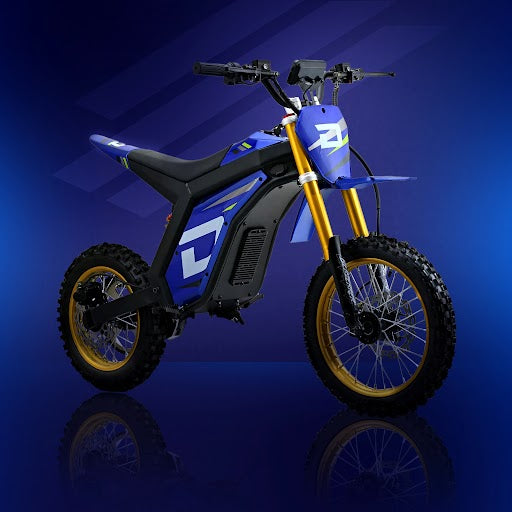


Tips For Riding Electric Dirt Bikes For Kids
Posted on
Quick Summary
A good start on an electric dirt bike depends on preparation more than power. Short sessions on flat ground, proper safety gear, and steady practice with braking and balance help kids grow comfortable behind the throttle. Simple habits, like checking the bike before a ride and choosing a safe space to practice, keep young riders in control as their skills develop. Patience and the correct gear turn early wobbles into steady, enjoyable rides.
Getting a child on two wheels for the first time is a milestone moment for any family. Riding electric dirt bikes for kids has grown into a favorite way for young riders to spend an afternoon outdoors, trade screen time for fresh air, and pick up a skill that sticks with them for years.
Before the first ride, a little preparation goes a long way toward keeping things fun and mishap-free. From choosing the correct gear to picking a safe practice area, the small decisions made early on tend to shape how at ease a young rider feels once the throttle finally opens up.
Getting Started With Riding Electric Dirt Bikes for Kids
New riders benefit from a slow, structured start. Jumping straight onto a trail full of bumps and turns can overwhelm a child who has never handled a throttle before. Start on flat, open ground with plenty of room to stop and turn around. A driveway, an empty parking lot, or a grassy backyard works well for the first few sessions.
Keep the earliest rides short. Ten or fifteen minutes at a time is plenty for a young rider to get comfortable with balance, braking, and throttle control. Longer sessions can wait until those basics feel second nature. An electric dirt bike with adjustable speed settings makes this stage easier. Parents can cap the top speed as a child builds coordination and gets used to the controls.
Once a child feels steady on flat ground, gentle inclines and soft turns can be introduced one at a time. Small steps like these keep frustration low and progress steady.
Dirt Bike Safety Tips Every Family Should Know
Safety gear belongs on a child before they ever sit down on the seat. A properly fitted helmet ranks at the top of the list, followed closely by elbow pads, knee pads, and gloves that grip the handlebars well. Closed-toe shoes that cover the ankles round out the basics.
Beyond gear, a few habits go a long way toward keeping rides safe:
- Check the bike: Look over the tires, brakes, and battery connection before every ride.
- Pick the terrain: Choose flat, open spaces free of rocks, holes, and heavy debris.
- Set boundaries: Mark clear start and stop points so a child knows where the riding area ends.
- Watch the weather: Wet grass and damp dirt reduce traction and make stops less predictable.
- Stay close: An adult within sight and earshot can step in quickly if something goes sideways.
These habits do not take long to build into a routine, and they pay off every single time a child heads out for a ride.
Teaching Kids the Basics of Braking and Balance
Braking is often the hardest skill for a new rider to pick up. Kids tend to either grab the brake too hard or forget to use it at all until it is too late. Practicing slow, controlled stops on flat ground helps a child learn how much pressure it takes to stop without skidding.
Balance comes next, and it usually develops faster than parents expect. Sitting low, keeping both feet near the pegs, and looking ahead instead of down at the front wheel all help a young rider stay upright through turns. A little wobble here and there is normal in the early weeks. Patience during this stage matters more than speed or distance covered.
Choosing a Good Space for Electric Dirt Bikes for Kids
The location of a ride shapes the experience just as much as the bike itself. Backyards work fine for beginners, but a child who has moved past the basics may need more room to stretch out. Local parks with open fields, dedicated youth motocross tracks, and rural properties that allow riding all make good options.
Before heading anywhere new, it helps to walk the area first. Look for hidden dips, loose gravel, fence lines, or anything else that could catch a young rider off guard. A quick walk-through takes only a few minutes and can prevent a surprise mid-ride.
Some families rotate between a few different spots to keep things interesting. A change of scenery now and then keeps a child engaged and gives them practice adjusting to slightly different ground conditions.
Simple Maintenance Checks Before Every Ride
A quick once-over before heading outside catches small problems before they turn into bigger ones. Tires should hold their air and show no signs of cracking or excessive wear. Brake levers need to feel firm, not spongy, when squeezed. Battery connections should sit snug, free of dirt or moisture that could interfere with a clean connection.
Chains, if the model has one, benefit from a light check for slack or rust. Bolts and fasteners around the frame and handlebars can loosen slightly over time with regular use, so periodic tightening helps keep everything secure. None of these checks take more than a couple of minutes, and doing them out loud with a child turns maintenance into a lesson instead of a chore. Kids who learn to spot a low tire or a loose bolt early on carry that awareness into every hobby that follows.
Building Good Habits That Last
Good riding habits formed early tend to stick around. Encouraging a child to check their own gear before a ride, park the bike properly afterward, and ask questions when something feels off helps them take ownership of the hobby. These small routines lay the groundwork for safer, more independent riding as skills grow.
At Droyd, we design our electric rideables with these early lessons in mind, and our lineup gives families options as a child grows more comfortable on two wheels. Riders who start on a smaller model often move up to a model with a bit more range and speed once they are ready.
Encouragement matters as much as instruction. Celebrating small wins, like a clean stop or a steady turn, keeps a child motivated to keep practicing. A positive attitude around the learning curve tends to carry over into how a child handles other challenges too.
Start the Ride With a Plan in Place
A little planning before the first ride sets the tone for everything that follows. Good gear, a safe space, and patient guidance turn a new hobby into a lasting one.
Questions about which model fits a young rider's age and skill level are always worth asking before buying. Our team at Droyd is happy to walk through the details and help find a good fit for your family. Get in touch with us today.
FAQs
What age can a child start riding an electric dirt bike?
Several models are designed for riders around age six, though readiness often depends more on coordination than on age alone. Watching how a child handles balance and follows directions offers a better gauge than a birthday.
The Droyd Berzerker has an age recommendation of 13 and older.
How fast should a kid's electric dirt bike go for beginners?
Lower speed settings, often in the ten to fifteen mile per hour range, work well for beginners still learning throttle control. Adjustable speed caps let parents raise the limit gradually as skills improve.
Do electric dirt bikes require a license to ride?
Electric dirt bikes designed for kids are generally intended for off-road use on private property or approved riding areas, not public roads. Local rules can vary, so checking area regulations before riding is a good idea.

© 2026 Droyd | All Rights Reserved
Join Our Email List
Get exclusive deals and early access to new Droyd products.


