Black Friday Deals are live!

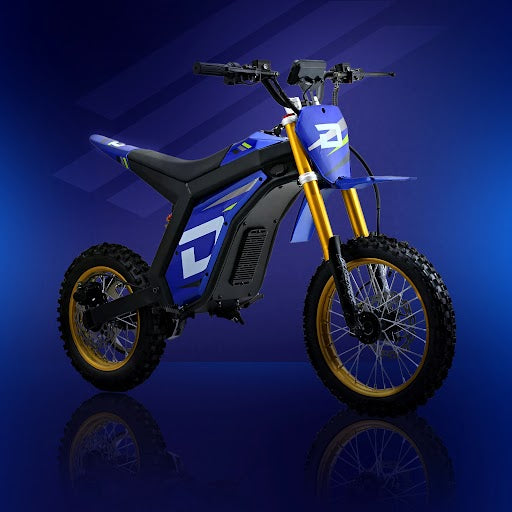


Where Can Kids Ride Electric Dirt Bikes Legally And Safely?
Posted on
Quick Summary
A backyard or driveway works well for a first ride, but noise ordinances and homeowner association rules can still apply even on private property. Public parks vary widely on whether motorized bikes are allowed, so a quick call to your local parks department can save confusion later. Private tracks offer marked trails and staff oversight, though age minimums and waivers often come with the territory. Checking city ordinances and helmet laws ahead of time keeps a family riding on the right side of local rules, wherever they land.
Buying a bike is only half the equation. Many parents want to know where their kids can ride electric dirt bikes without running into trouble with local rules or neighbors.
Some areas allow riding on private property with no restrictions, while others have noise ordinances or age limits tied to specific zones. Machine type shapes this too, since a full-speed electric dirt bike is treated as an off-highway vehicle rather than an e-bike in most states, which usually rules out bike lanes and shared paths and can bring registration requirements into play. At Droyd, we build electric rides for kids and teens, and our team gets asked about riding locations almost as often as we get asked about the bikes themselves.
Where Can Your Kids Ride Electric Dirt Bikes at Home?
A backyard is usually the easiest place for a new rider to start. Flat, open grass gives a child room to practice throttle control and braking without traffic, fences, or other obstacles nearby. A driveway works too, though it's a smaller space and better suited to slow, careful laps rather than any real speed. A slower machine suits that setting best, which is why the Weeler and the Fury youth ATV work well for a child still learning the basics.
Noise level matters here as much as space. Electric bikes run quieter than gas models, which makes backyard riding easier to manage in neighborhoods with houses close together. Checking local noise ordinances and homeowner association rules ahead of time avoids an awkward conversation with a neighbor later.
Public Parks and Open Fields
Some public parks allow electric bikes on designated paths or open grass areas, though rules vary widely from city to city. A quick call to a local parks department clears up whether motorized rides are welcome, restricted to certain hours, or not allowed at all. Skipping this step can turn into a fine or an uncomfortable run-in with a park ranger.
Open fields on private land, like a relative's property or a friend's acreage, often give more room to ride than a typical park. These spaces also tend to have fewer people around, which lowers the odds of a close call with a walker, a dog, or another rider.
Where to Ride Dirt Bikes Near You: Private Tracks and Trails
Families searching for “where to ride dirt bikes near me” often find private motocross tracks or off-road parks built for this purpose. These locations usually have marked trails, staff on-site, and rules around helmets and age minimums that keep things organized.
Riding here also means sharing space with bikes designed for higher speeds. A parent should check whether a track welcomes younger or slower riders before showing up.
A few things worth checking before visiting a track or trail:
- Age and size requirements: Some tracks set minimum ages or height requirements for entry
- Insurance and waivers: Many locations require a signed waiver before a rider steps onto the course
- Bike speed limits: Certain trails separate faster bikes from slower ones to avoid collisions
- Operating hours: Weekend hours and seasonal closures vary, so calling ahead saves a wasted trip
Rules and Permissions Worth Checking First
Riding rules differ by city, county, and even by neighborhood, so a bit of homework upfront prevents headaches later. Local governments sometimes classify electric dirt bikes differently from bicycles or mopeds, which can affect where they're allowed and whether a permit applies.
A short checklist before heading out:
- City ordinances: Look up whether motorized bikes are allowed on sidewalks, streets, or public trails
- Property boundaries: Confirm a riding spot sits on land the family owns or has clear permission to use
- Age-specific laws: Some states set minimum ages for operating any motorized vehicle, even off public roads
- Helmet laws: Certain areas require helmets for anyone riding a motorized bike, regardless of location
Building Good Riding Habits Wherever You Ride
A quiet backyard, a private field, or a dedicated track can each work well for a young rider, depending on what's available nearby and what local rules allow. A little research into permissions and noise rules goes a long way toward avoiding conflict with neighbors or local authorities. Wherever the location, a helmet, pads, and adult supervision stay part of the routine.
If your family is still working out the best local spot or wants advice on matching a bike to a specific riding area, get in touch with the Droyd team for a hand narrowing down the options.
FAQs
Is it legal to ride an electric dirt bike in a backyard?
Riding in a backyard is usually fine on private property, but noise ordinances or homeowner association rules can still apply. Checking local guidelines first helps avoid a surprise complaint from a neighbor.
Can kids ride electric dirt bikes in public parks?
Some parks allow motorized bikes on certain paths or open areas, while others don't allow them at all. A quick call to the local parks department clears up what's permitted before heading out.
What should I check before visiting a private dirt bike track?
Look into age or height requirements, waiver policies, and whether the track separates bikes by speed. Call ahead about operating hours to avoid a wasted trip on a closed day.

© 2026 Droyd | All Rights Reserved
Join Our Email List
Get exclusive deals and early access to new Droyd products.


