Free Shipping on All Orders!



How Often Should You Service An E-Bike?
Posted on
An e-bike is a different machine from a regular bicycle. It has a motor, a battery, electrical components, and all the standard mechanical parts of a traditional bike. More moving parts mean more to keep an eye on.
Knowing how often to service an e-bike is one of the most practical things any rider or parent can learn. A consistent service routine keeps rides safe, catches small issues before they grow, and extends the overall life of the rideable.
How Often to Service an E-Bike: A General Guide
There is no single answer that fits every rider perfectly, but a practical rule of thumb is to schedule service every 6 months or every 1,000 miles, whichever comes first. The best routine, though, really depends on how often and how hard the bike is being ridden.
Occasional riders who get out once a week or on weekends can generally manage with a seasonal tune-up. Frequent riders covering more ground should have a check-up every three to four months. Riders who are out daily or tackling rough terrain should shorten that interval further.
One thing worth doing from the start is reading the owner's manual. Some manufacturers outline specific service intervals based on mileage, and following that guidance is always a good starting point. Never ride an e-bike if something feels off or there are doubts about its condition. When in doubt, get it checked.
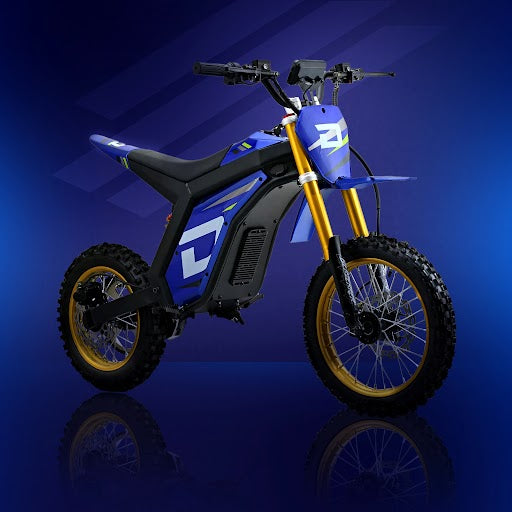
No matter if your teen is putting the Berzerker through its paces daily or your younger rider is cruising on the Weeler on weekends, the same principle applies: regular care goes a long way.
What Gets Looked at During a Service
A proper e-bike service covers more ground than most people expect. It goes well beyond a quick wipe-down and tire check.
A standard tune-up typically covers:
- Brakes: Pad wear is checked, and cables are adjusted. Because e-bikes tend to be heavier and faster than traditional bikes, brakes take on more stress and need close attention.
- Chain and drivetrain: The chain is inspected for stretch and lubricated. E-bike chains wear out faster than standard bike chains due to the additional power they handle.
- Gears and shifting: The derailleur is checked and adjusted if gears skip or hesitate.
- Wheels: Spoke tension is checked, and wheels are trued if needed.
- Bolts and hardware: Accessory mounting, fenders, and frame hardware are tightened and checked for alignment.
- Electrical components: Connectors are inspected for corrosion or damage, and the display and assist system are tested.
An annual service takes things a step further. It adds an inspection that includes a full clean, wear evaluation across all components, firmware checks where applicable, and a complete safety review. Casual riders may only need that level of depth once a year or every eighteen months. Heavier users benefit from it annually.
The motor itself is generally maintenance-free on most e-bikes. If a motor issue arises, it usually requires professional diagnosis and a full unit replacement. Always refer to the manual for guidance specific to the model.
Checks to Do at Home Between Services
Professional servicing is important, but what happens between appointments matters just as much. Building a quick routine at home keeps the bike in good shape and helps catch problems early.
Before every ride, run through these basics:
- Check tire pressure. Low tire pressure increases rolling resistance, puts more strain on the motor, and reduces battery range.
- Squeeze both brake levers. They should engage firmly and quickly with no spongy feeling.
- Confirm the battery is seated securely and check the charge level before heading out.
- Quickly look over the frame for anything loose or out of place.
On a monthly basis, clean and lubricate the chain, check bolt tightness throughout the bike, and visually inspect the electrical connectors to ensure nothing appears corroded or damaged. After riding in wet, muddy, or dusty conditions, clean the bike before putting it away. Always remove the battery before washing to prevent water from reaching the electrical system.
Why Some Bikes Need More Frequent Servicing
Two riders with the same e-bike can end up on very different service schedules depending on how they ride.
Rough surfaces, gravel, hills, and off-road conditions put significantly more stress on brakes, tires, chains, and wheels than flat pavement does. A teen running the Blipper through daily commutes will wear through components faster than someone using it on occasional weekend rides.
Riding in rain or through dusty conditions accelerates wear on mechanical parts and increases the risk of corrosion buildup on connectors. Bikes ridden in harsher conditions need more frequent cleaning and closer inspection after rides.
Rider weight and load also affect how quickly components wear. Heavier loads put more strain on the brakes and drivetrain, shortening the interval before those parts need attention.
Signs the Bike Needs Attention Before the Next Service
Sometimes a service comes due earlier than planned. Knowing what to listen to and look for makes a difference.
Noises are often the first signal. Clicking while pedaling can point to a loose pedal, crank arm, or bottom bracket. Grinding from the motor area suggests something more serious that a professional should look at. Squealing brakes usually mean contaminated pads or rotors, which can often be cleaned but may need pad replacement.
Other signs to watch for include brakes that feel soft or take longer to engage, a chain that skips or sounds dry, a noticeable drop in battery range without explanation, or error codes appearing on the display. None of these should be ignored. Riding through warning signs often turns smaller repairs into larger ones.
Keep the Ride Going Strong All Year
Keeping an e-bike in good condition does not require much time or expertise. A basic pre-ride check, a clean after muddy rides, and a professional service every six months or so covers most of what a well-used e-bike needs.
At Droyd, we put over 20 years of electric vehicle experience into every rideable we make. We know that even the most durable products need consistent care to perform at their best. When something feels off or you need support, our team is ready to help you keep riding with confidence. Get in touch with our team, and we'll help you keep the ride going.

© 2026 Droyd | All Rights Reserved
Join Our Email List
Get exclusive deals and early access to new Droyd products.


