Free Shipping on All Orders!

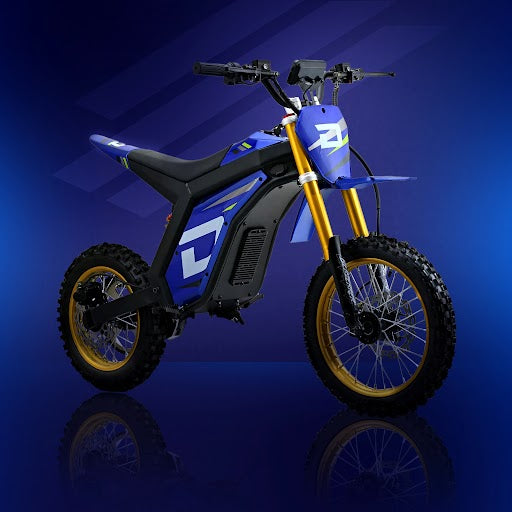


Dirt Bike Vs. Motorcycle: What To Know Before Choosing One For Young Adults
Posted on
Quick Summary
The comparison between dirt bikes and motorcycles involves differences in design, terrain capability, riding purpose, and learning requirements. Each option offers unique advantages depending on rider goals, experience levels, and intended use. Understanding these distinctions helps young adults evaluate which type of ride aligns better with recreational interests, skill development, and riding environments.
The discussion around dirt bike vs. motorcycle usually begins with understanding that these vehicles are designed for different riding experiences, even though they may appear similar at first glance. Design features, handling characteristics, and intended environments all influence how each machine performs and who may benefit most from riding one.
Young adults exploring electric or motorized rideables may find it helpful to compare both categories before making a decision. Factors such as riding location, comfort level, skill development, and long-term goals play an important role in determining which option feels more suitable for recreational riding and personal enjoyment.
The Primary Purpose of Each Ride
Dirt bikes are built primarily for off-road environments, including trails, dirt tracks, and uneven terrain where suspension travel and lightweight construction help riders navigate obstacles more effectively. Their design focuses on maneuverability and responsiveness, making an electric dirt bike appealing for riders who enjoy adventure-oriented experiences away from paved roads.
Motorcycles are generally designed with road use in mind, prioritizing comfort, stability, and performance on paved surfaces. While styles vary significantly across motorcycle categories, many models emphasize longer rides, higher speeds, and transportation-oriented functionality rather than navigating rugged off-road conditions.
Design Differences that Affect Riding Experience
One of the most noticeable distinctions between dirt bikes and motorcycles involves their physical construction and handling characteristics. Dirt bikes typically feature taller suspension systems, knobby tires, and lighter frames that allow riders to react quickly to changing terrain while maintaining control on loose surfaces.
Motorcycles usually incorporate smoother tires, lower suspension travel, and designs intended for predictable handling on roads and highways. These differences influence everything from rider posture to cornering behavior, making each category better suited for specific environments and riding objectives.
Terrain and Riding Environment Considerations
The riding environment frequently becomes the deciding factor when comparing dirt bikes and motorcycles. Riders who plan to spend time on trails, open land, or dedicated off-road areas may appreciate the capabilities that dirt bikes bring to challenging terrain and changing surface conditions.
Motorcycles generally excel on paved roads where stability, comfort, and road-focused performance create a more practical riding experience. Selecting the right option becomes easier when riders first identify where the majority of their riding time will take place and what type of experience they hope to enjoy.
Learning Curve for Young Adult Riders
Young adults entering the riding world should consider how each vehicle aligns with their current skill level and comfort zone. Dirt bikes can help riders develop balance, coordination, and terrain awareness because off-road riding requires constant adjustments and active engagement with changing conditions.
Motorcycles introduce a different set of skills that may include road awareness, traffic considerations, and longer-distance riding techniques. While both options require responsible training and proper safety practices, the learning experience differs significantly depending on the riding environment and intended use.
Evaluating Safety and Practicality
Safety considerations extend beyond the vehicle itself and include rider behavior, training, protective equipment, and riding location. Dirt bikes are commonly used in controlled off-road settings where riders can focus on skill development away from public traffic and complex roadway situations.
Motorcycles may offer greater practicality for transportation purposes, yet they also introduce additional variables associated with road travel. Understanding how and where a vehicle will be used can help young adults choose an option that matches both their experience level and recreational interests.
Find the Right Electric Rideable for Growing Riders
Contact us to explore how Droyd creates electric rideables designed around safety, durability, and age-appropriate performance. Our lineup helps young riders and families discover engaging outdoor experiences while building confidence through thoughtfully designed electric vehicles.
FAQs
What is the main difference between a dirt bike and a motorcycle?
Dirt bikes are designed for off-road terrain, while motorcycles are generally intended for paved roads and transportation purposes.
Is a dirt bike easier to learn than a motorcycle?
Learning experiences vary, though many riders find dirt bikes helpful for developing balance and control in off-road settings.
Can young adults ride both dirt bikes and motorcycles?
Yes, provided they meet local requirements, use proper safety gear, and select age-appropriate vehicles for their experience.
Which is better for recreational riding?
The better choice depends on preferred riding environments, with dirt bikes favoring trails and motorcycles favoring paved roads.

© 2026 Droyd | All Rights Reserved
Join Our Email List
Get exclusive deals and early access to new Droyd products.


